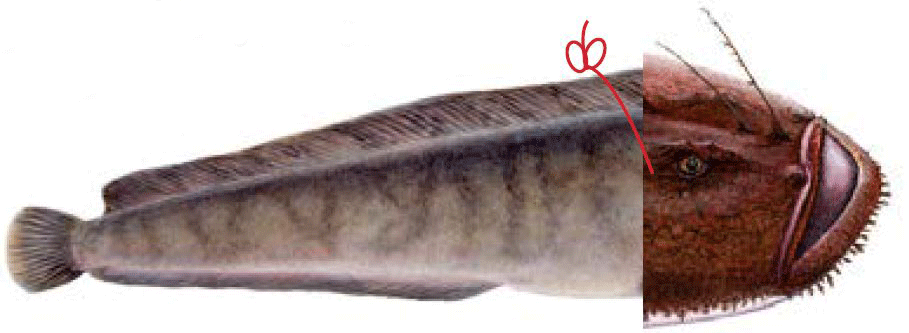
Deception in seafood trade - seminar at Matís
Á undanförnum árum hafa komið upp fjöldi tilvika þar sem milliliðir og neytendur eru blekktir í viðskiptum með sjávarfang. Dæmi
Deception in seafood trade - seminar at Matís More »
Á undanförnum árum hafa komið upp fjöldi tilvika þar sem milliliðir og neytendur eru blekktir í viðskiptum með sjávarfang. Dæmi
Deception in seafood trade - seminar at Matís More »
Stór og öflugur hópur nemenda við Sjávarútvegsháskóla Sameinuðu þjóðanna (UNU-FTP) útskrifaðist frá skólanum núna á mánudaginn eftir sex mánaða sérnám
Graduations from UNU-FTP More »
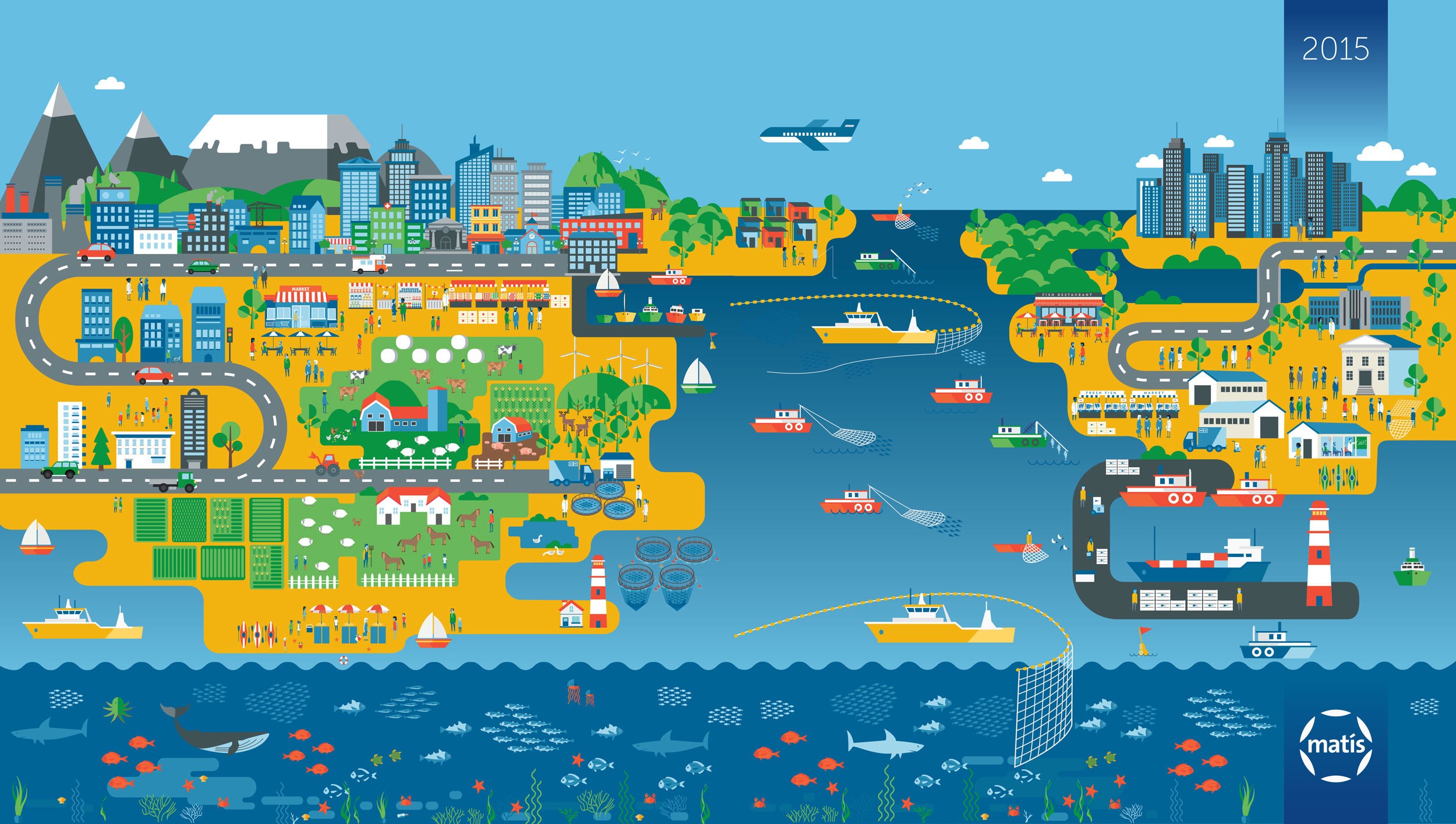
Efni sem Kontor Reykjavík bjó til fyrir Matís hlaut tvær tilnefningar til hinna árlegu FÍT-verðlauna, sem veitt eru af Félagi íslenskra teiknara,
Nominations for FÍT awards More »
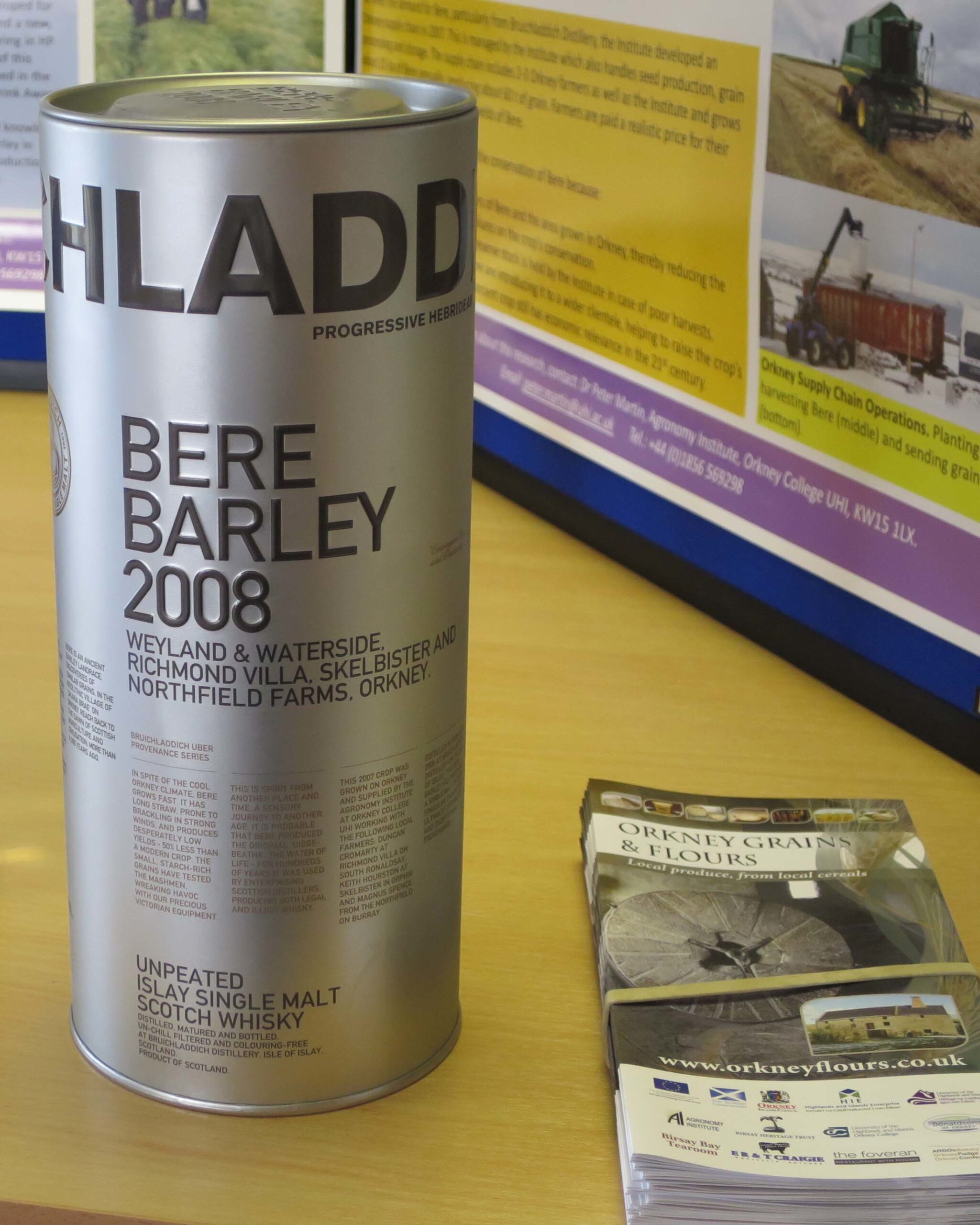
Matís og Þoran ehf munu halda kynningarfund fyrir bruggmeistara og aðra áhugamenn um möltun og bruggun miðvikudaginn 9. mars í
What can be learned from the Orkneys? - cereals and alcoholic beverages More »

Fyrir stuttu komu nemendur Matvælabrúarinnar frá Háskólafélagi Suðurlands í heimsókn í Matís og dvöldust hér daglangt á námskeiði í skynmati.
A wonderful visit from the University Association of the South More »

Sjávarútvegssýningin í Boston fer fram 6.-8. mars nk. Fjöldi íslenskra fyrirtækja verður á sýningunni, þar á meðal Martak, Skaginn/3X, Fjarðarlax,
Matís at the Fisheries Exhibition in Boston More »
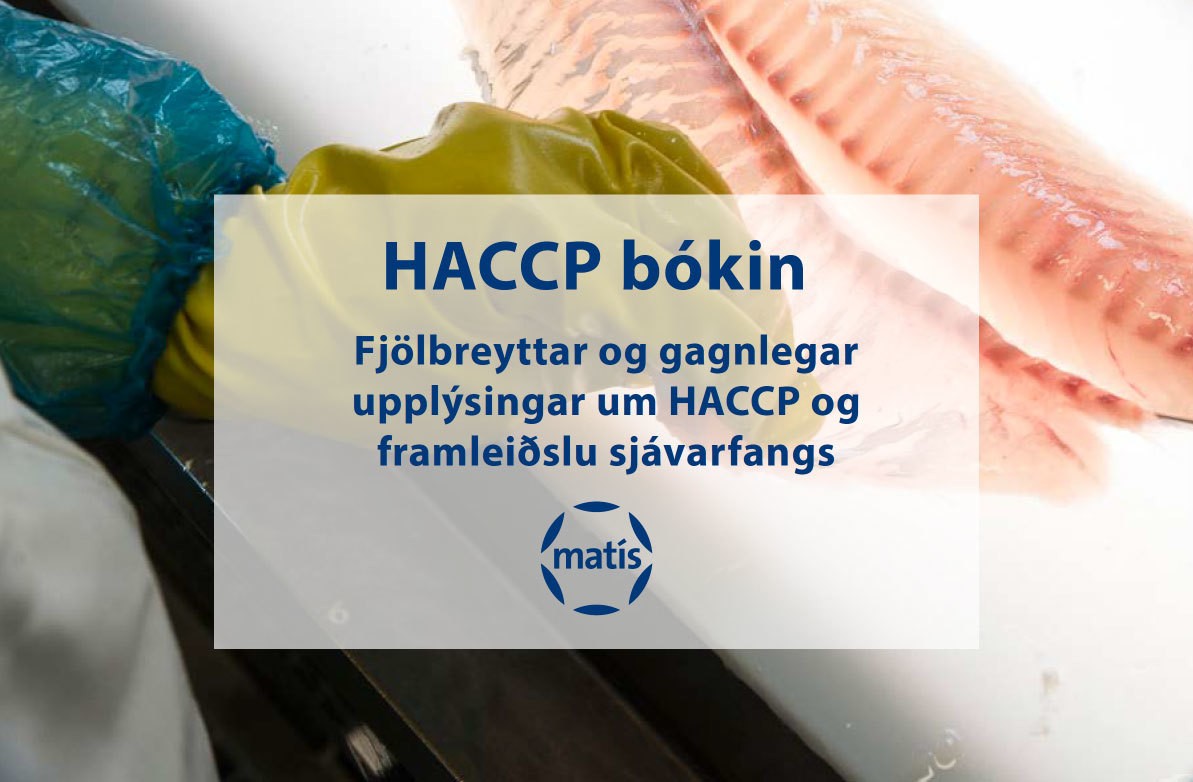
HACCP – bókin sem nú birtist á vefnum er ætluð sem stuðningsefni fyrir þá sem vilja kynna sér HACCP og uppsetningu
HACCP and seafood production More »
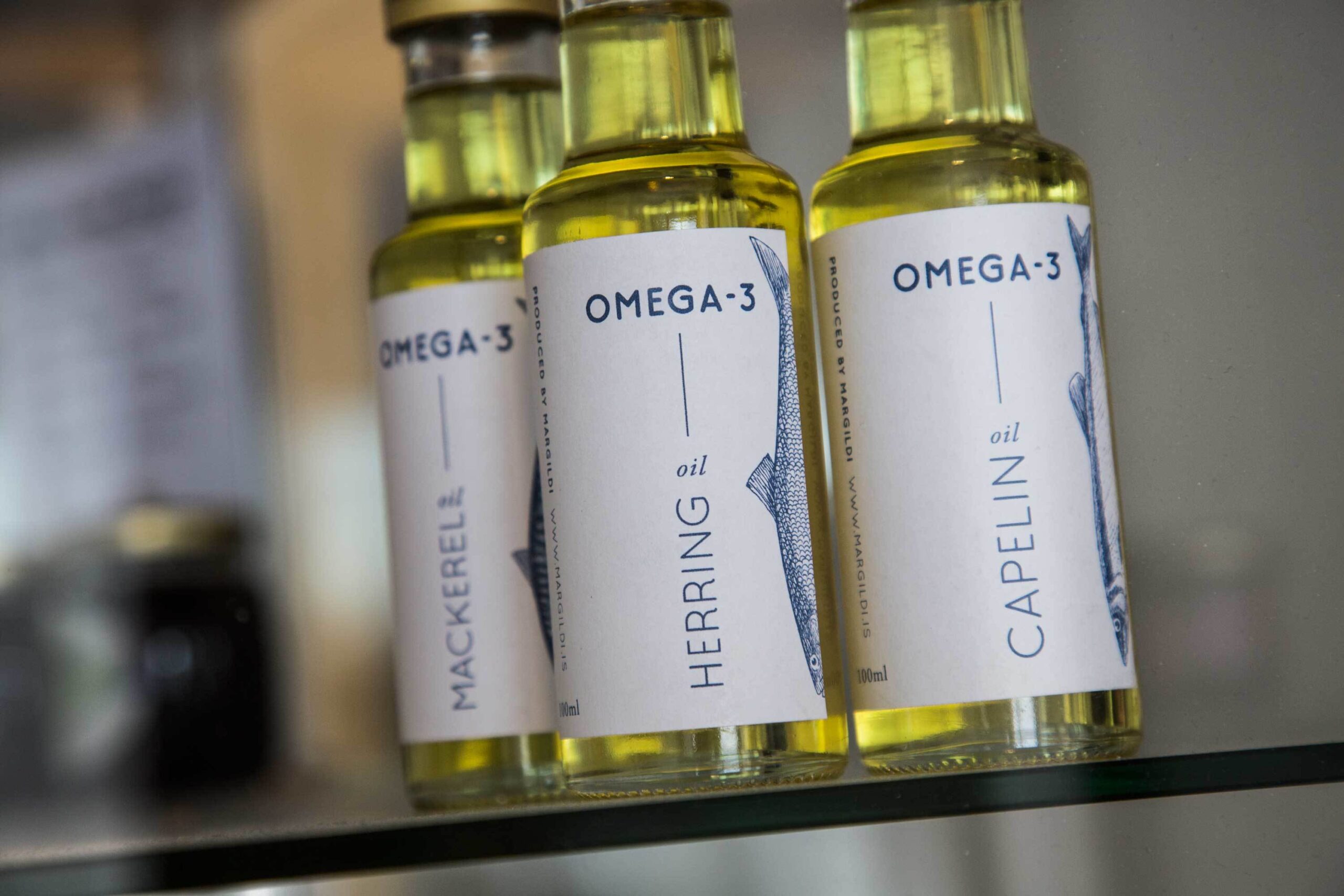
Í húsakynnum Matís að Vínlandsleið 12 er glerskápur sem lætur ekki mikið yfir sér við fyrstu sýn. Þegar betur er
Polygamy placed in "Glass of fame" More »
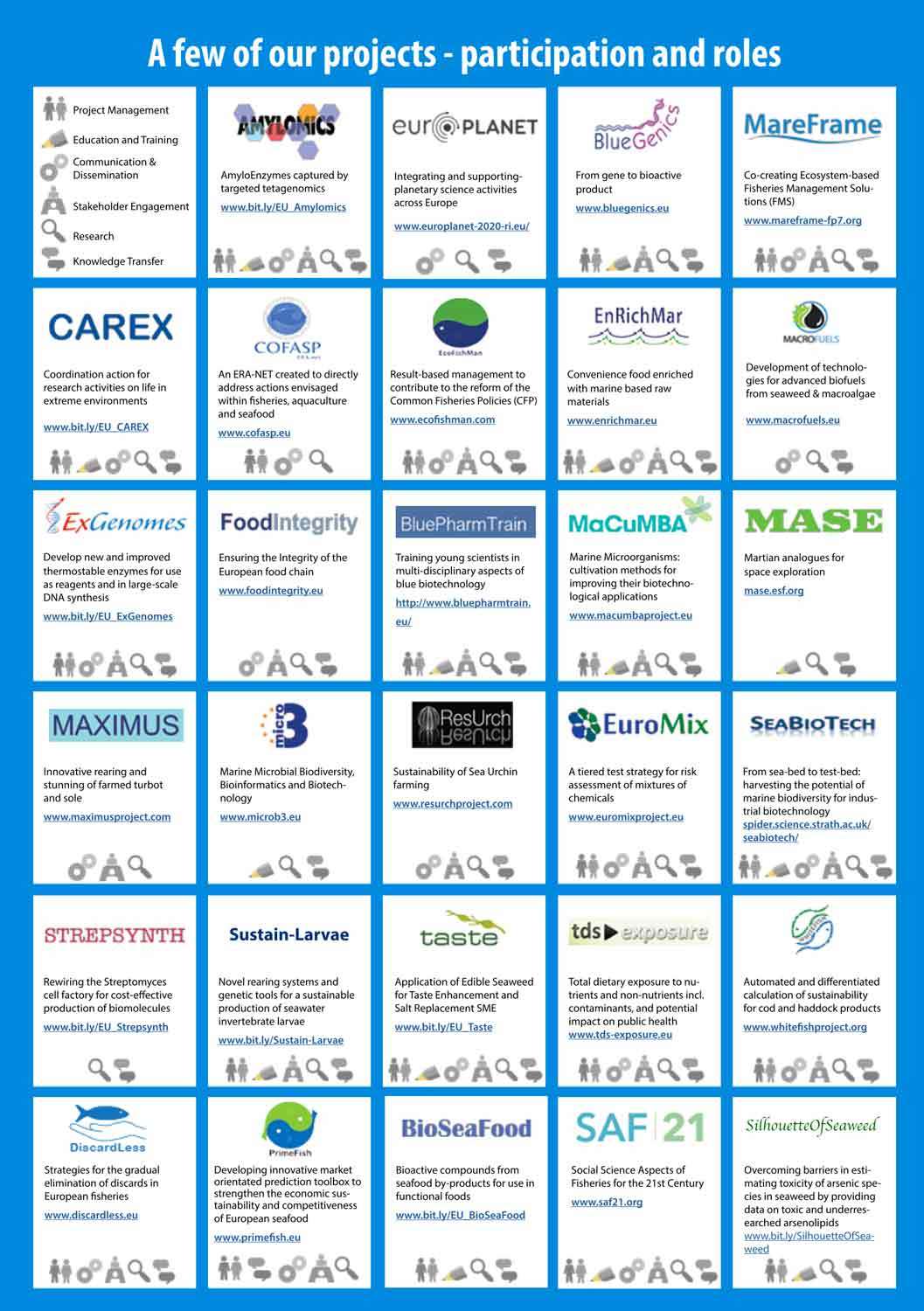
Matís hefur í gegnum tíðina gegnt mikilvægu hlutverki á meðal fyrirtækja í sjávarútvegi. Að hluta til má segja það saman
Matís - a major role in numerous international research projects More »
Samtök um landbúnað á Norðurslóðum (e. Circumpolar Agricultural Association, CAA) eru samtök einstaklinga í öllum löndum á Norðurslóðum. Ráðstefnur samtakanna
Ninth International Conference of the Association of Agriculture in the Arctic More »
