New Solutions for Future Challenges – NATALIE Project Experts Visit Iceland
From 19–22 May, a group of experts from the international research project NATALIE will visit Iceland. The experts specialise in nature-based solutions (NBS) and their financing. The visit is a unique opportunity for those working in environmental affairs and climate adaptation to learn about the latest solutions aimed at strengthening community resilience to the impacts of climate change.
At a stakeholder workshop held in Reyðarfjörður on Wednesday, 21 May, the main findings of the project to date will be presented, along with discussions on the next steps in the project work.
The East of Iceland – A Leader in the Arctic
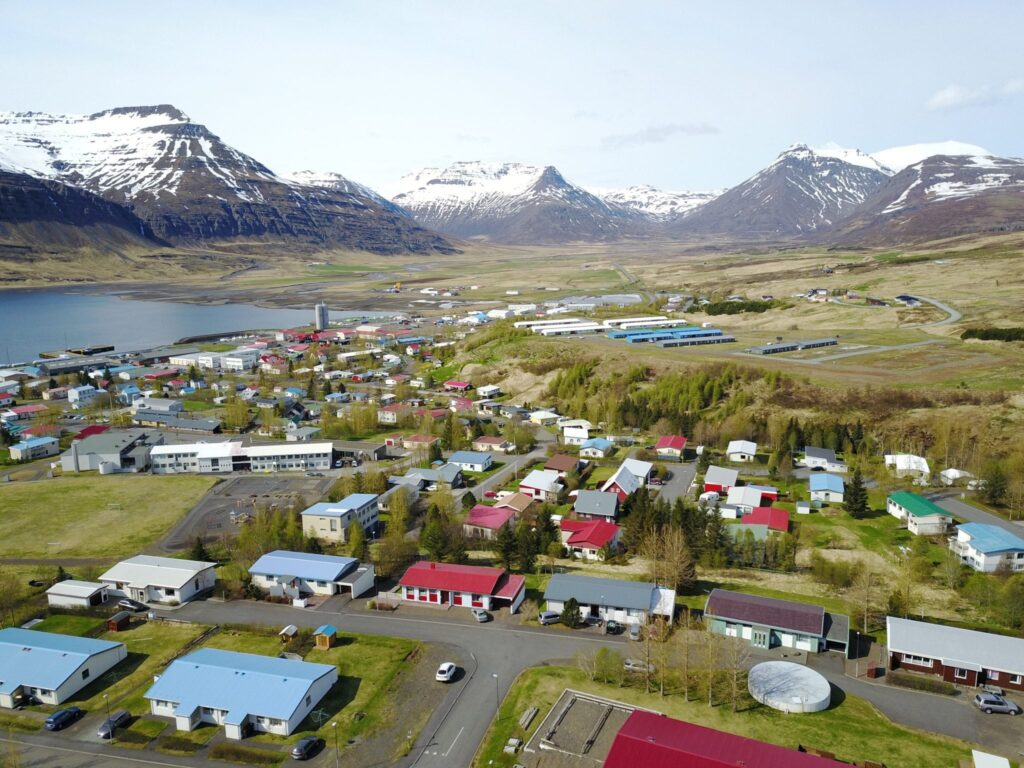
In January 2024, Matís took over the lead of the NATALIE Arctic case study (CS7 – Arctic Case Study), assuming the role previously held by Norway as the research area. With this change, the independent foundation Austurbrú and the Icelandic innovation company GreenFish joined the project as partners alongside Matís, with the East of Iceland defined as the project's research area.
Áhersla rannsóknarinnar er að meta hvernig náttúrumiðaðar lausnir geti stutt við sustainability og stjórnun strandsvæða Austurlands. Svæðið býr yfir fjölbreyttum áskorunum sem tengjast loftslagsbreytingum, m.a. hættu á aurskriðum, snjóflóðum, hækkandi sjávarstöðu og þörungablómgun sem hefur áhrif á vatnsgæði og lífríki fjarðanna.
Stakeholder Collaboration a Key Factor
In June 2024, a workshop was held with key stakeholders in the East of Iceland, where the project was introduced and the main challenges facing the region were reviewed. Work was also carried out on analysing possible solutions to strengthen communities against natural hazards and weather disruptions.
The workshop created an important platform for introducing the concept of nature-based solutions and how they can contribute to sustainability and strengthen community resilience.
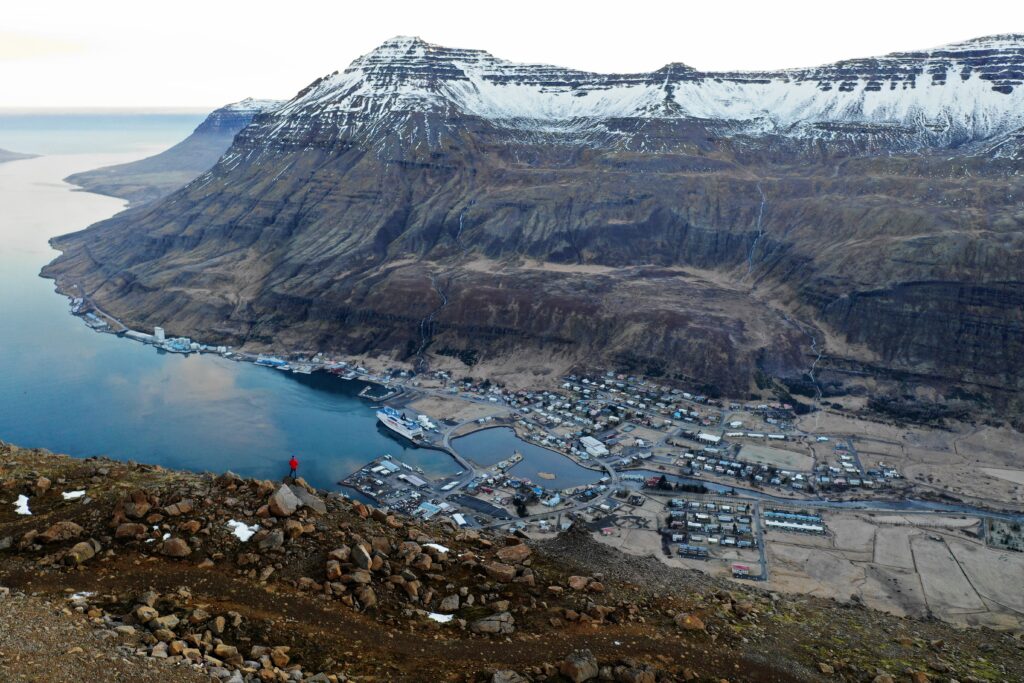
- Analysis of the main challenges caused by weather disruptions and the impacts of these on Eskifjörður, Reyðarfjörður and Seyðisfjörður.
- Challenges and risk factors assessed in relation to nature-based solutions.
Main research priorities based on findings
- Analysis of water quality and the development of a digital system, a predictive model based on satellite imagery (Sentinel-2) to monitor sea surface temperature, nutrient levels and chlorophyll concentrations in the fjords.
- Design of a user interface that displays algal bloom risk levels and water quality data, to support evidence-based decision-making by stakeholders. Analysis of nature-based solutions for implementation developed in consultation with project stakeholders.
- Implementation of nature-based solutions carried out in collaboration with stakeholders.
Innovation in data processing and modelling
Strong emphasis has been placed on developing technical solutions that facilitate decision-making and provide an overview of environmental conditions.
- Natural disaster cascade model (Cascading Failure Model) has been developed to assess how natural disasters and weather disruptions can have cascading effects on community infrastructure, such as healthcare services, ports and aquaculture.
- MCDA-GIS analysis method (Multi-Criteria Decision Analysis with integrated geographic information systems) is used to assess the risk of mudslides and map areas where nature-based solutions can yield the greatest impact.
- Light Gradient Boosting Machine (LightGBM) has been used to develop accurate models that classify the severity of algal blooms, based on World Health Organization (WHO) criteria.
- Web-based user interface is under development and will provide daily updates on algal bloom risk levels and water quality, strengthening both monitoring and response capacity.
International collaboration and strong funding
The NATALIE project benefits from a €15 million (approx. ISK 2.2 billion) grant from Horizon Europe and runs for five years, from August 2023 to 2028. The project brings together 45 partners from 13 countries, with the aim of developing and validating nature-based solutions that strengthen community resilience to climate change and extreme weather events.
Overall coordination of the project is led by International Office for Water (OiEau) in France.
Further information about the project can be found at the homepage but also at Matís website. It is also possible to contact the project manager directly Önnu Berg Samúelsdóttur, annab@matis.is
Cover image: Jessica Auer, Fjarðarbyggð