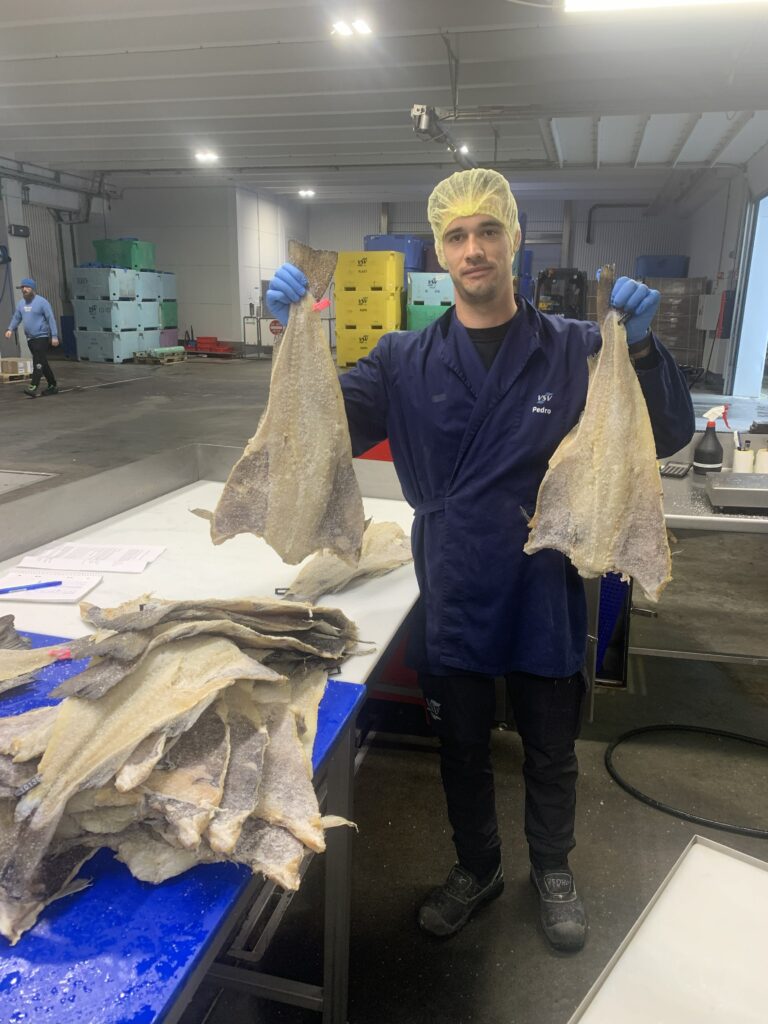
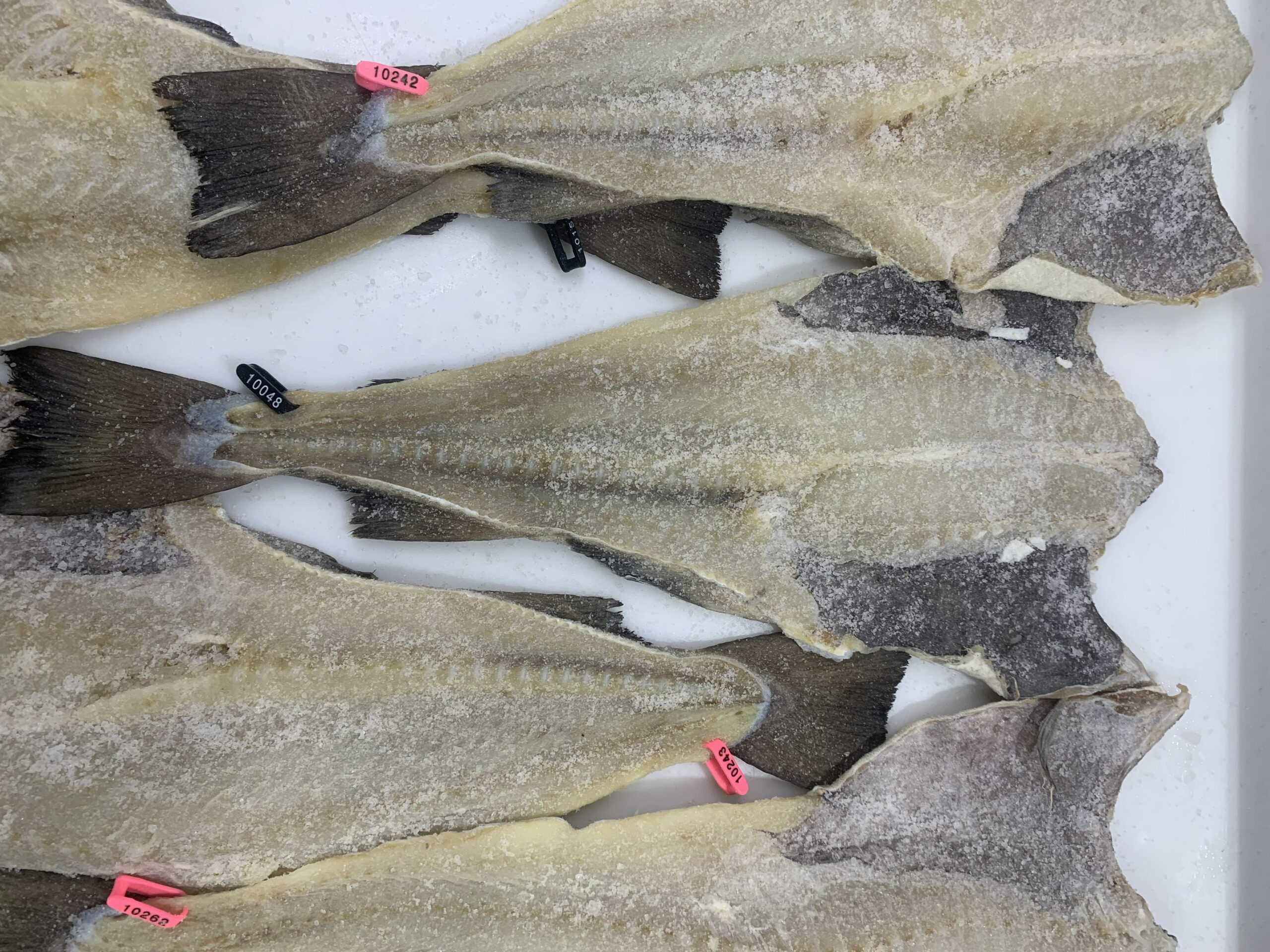
Matís and Vinnslustöðin have worked closely together on the Sjávarsalt project, which investigates the utilisation of a by-product (brine) from equipment that produces freshwater from seawater.
Since last summer, Matís and Vinnslustöðin have been working together on the Sjávarsalt project, which received an innovation grant from the Lóa fund in 2024, with the aim of utilising innovative and sustainable methods in salted fish production.
After the freshwater pipeline to the Vestmannaeyjar Islands ruptured several years ago, VSV purchased desalination equipment from the Dutch company Hatenboer-Water to ensure freshwater supply in the islands. One by-product of this process is brine, which until now has not been utilised. The Sjávarsalt project is investigating whether this by-product from freshwater production can be used as the first step in salted fish processing, or fish brining. In the conventional method, freshwater and imported salt are mixed. By switching to using the by-product from the desalination equipment instead of freshwater and imported salt in the first step (brining), it would be possible to reduce the use of imported salt. Part of the project was also to examine whether the brine would affect the quality of the salted fish.
The main purpose of the project is to increase the utilisation of raw materials and recycling in fish processing and reduce the use of imported salt. If successful, this could become a model for a new processing line and more environmentally friendly practices in the fishing industry. The trial results are promising and the quality of the fish was not affected, so the production process could become both more sustainable and more cost-effective.