
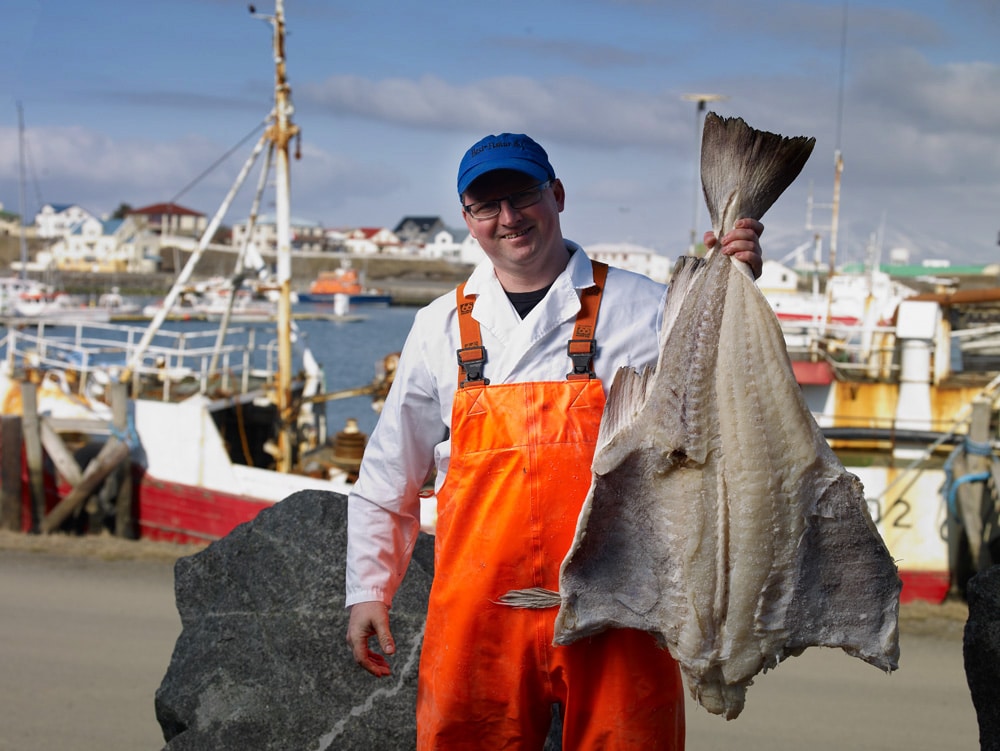
Salted fish producers in Iceland have long suspected that salted cod products from Norway may be falsely labelled as Icelandic on markets in Southern Europe.
The market position of Icelandic salted fish products has long been very strong in Southern Europe, particularly in Spain and Portugal. In these markets, Icelandic products have a certain distinctive status and the price for Icelandic salted fish is generally higher than for salted fish from other regions. Due to these suspicions, it was decided to undertake research to examine the origin of salted fish labelled as Icelandic in markets in Spain and Portugal.
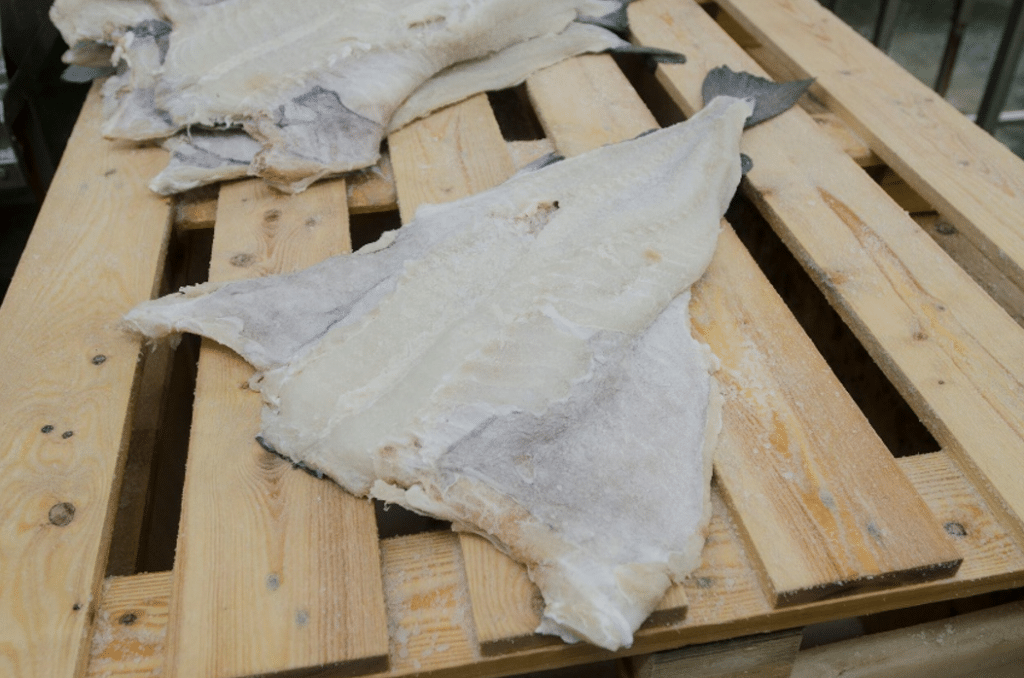
In order to verify the origin of salted fish products, a genetic method was developed to distinguish between cod from Icelandic waters and cod caught off the Norwegian coast and in the Barents Sea. Salted fish products were then collected in Barcelona, Bilbao, Porto, Lisbon and Aveiro. For a salted fish sample to be accepted into the study, it had to be accompanied by a claim that it was an Icelandic product, either on the label or through confirmation from the fishmonger. It was not sufficient for the fish to be described as from the North Atlantic. Only samples of fully processed salted fish marketed as cod or bacalao were collected, though the product could also be desalted salted fish. A total of 266 samples were collected in fish markets, supermarkets and delicatessens.
The results of this research indicate that salted fish fraud is fairly common, as 44 of the samples, or 16.5%, turned out to be Barents Sea cod.
This is a significant commercial issue for Icelandic salted fish producers, as the good reputation of Icelandic salted fish and the competitive advantage that Icelandic producers have are being undermined. There is also a risk that Barents Sea cod sold as Icelandic salted fish could damage the image of our quality products, as the quality is simply not the same. Further information about the research and its findings can be found in a report available here..
The research project was funded by the Icelandic Food Fund.