
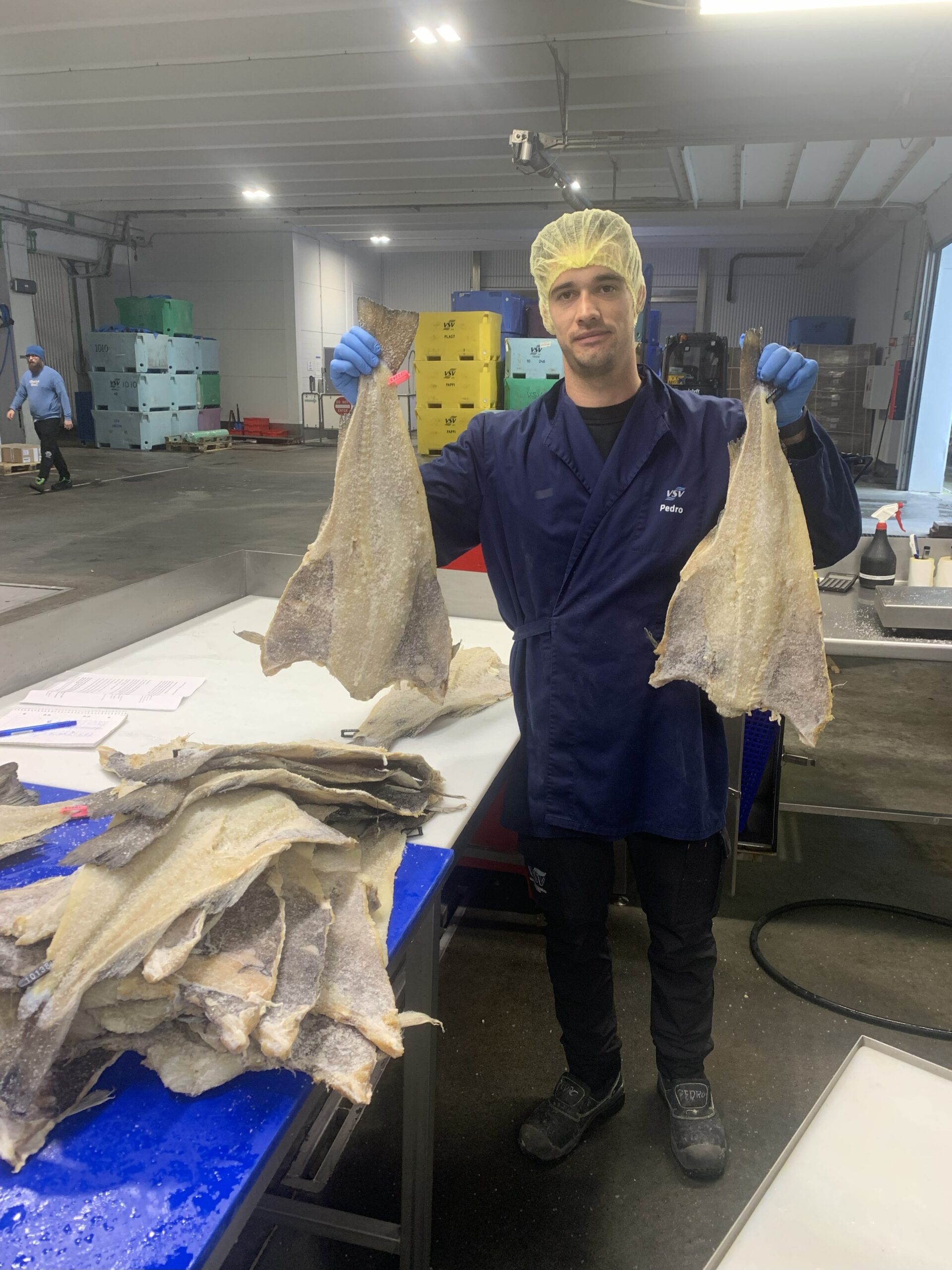
Since 1968, when a water pipeline was first connected between the Vestmannaeyjar islands and the mainland, the islanders have relied on access to fresh water through pipelines running along the seabed. The people of Vestmannaeyjar and the business community on the islands were starkly reminded of the vulnerability inherent in depending on such a connection for basic necessities in 2023 when the pipeline was damaged.
Í framhaldi fjárfestu fyrirtæki á svæðinu í vatnshreinsibúnaði sem framleitt getur ferskvatn úr sjó. Vinnslustöðin í Vestmannaeyjum fjárfesti meðal annast í slíkum búnaði, og í framhaldi kom upp sú hugmynd hvort ekki væri hægt að nýta þá hliðarstrauma sem til verða við ferskvatnsframleiðsluna. En vatnshreinsistöðin síar steinefni og óhreinindi úr sjónum, þannig að eftir verður hreint vatn. Meðal þeirra steinefna sem síast frá er salt, en Vinnslustöðin er á sama tíma að flytja inn töluvert magn af salti til saltfiskframleiðslu. Það lá því beinast við að kanna möguleikann á að nýta saltpækil sem fellur til við ferskvatnsframleiðsluna fyrir saltfiskvinnslu. Vinnslustöðin fékk því Matís með sér í lið til að kanna fýsileika þess, og fengu auk þess stuðning frá LÓU sjóðnum til að fjármagna hluta af verkefninu. Markmið verkefnisins var að kanna fýsileika þess að nýta salt frá ferskvatnsframleiðslunni til saltfiskframleiðslu m.t.t. matvælaöryggis, afkasta, kostnaðar og sustainability.
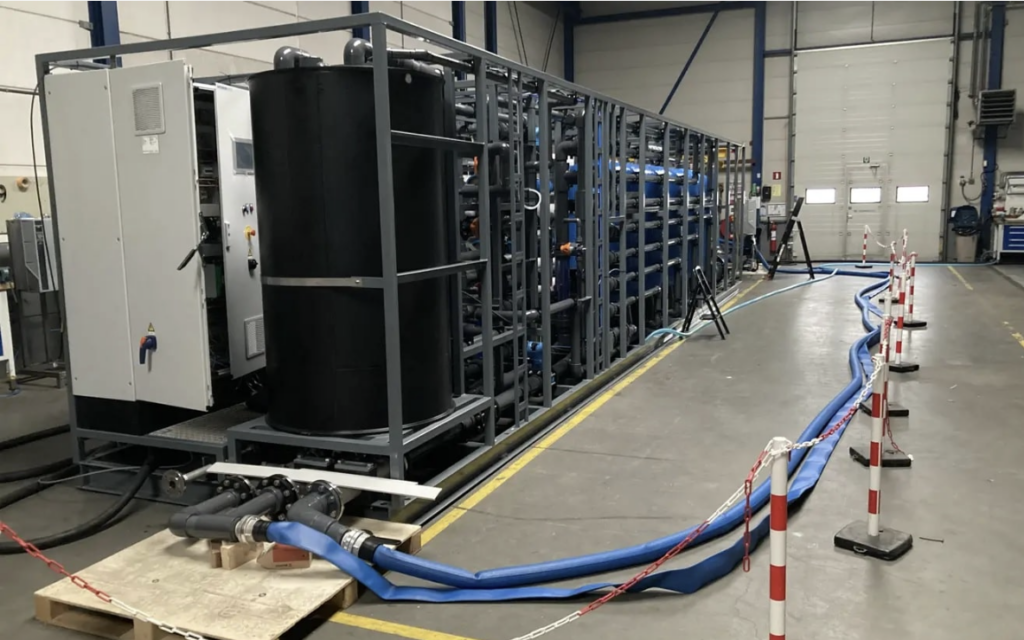
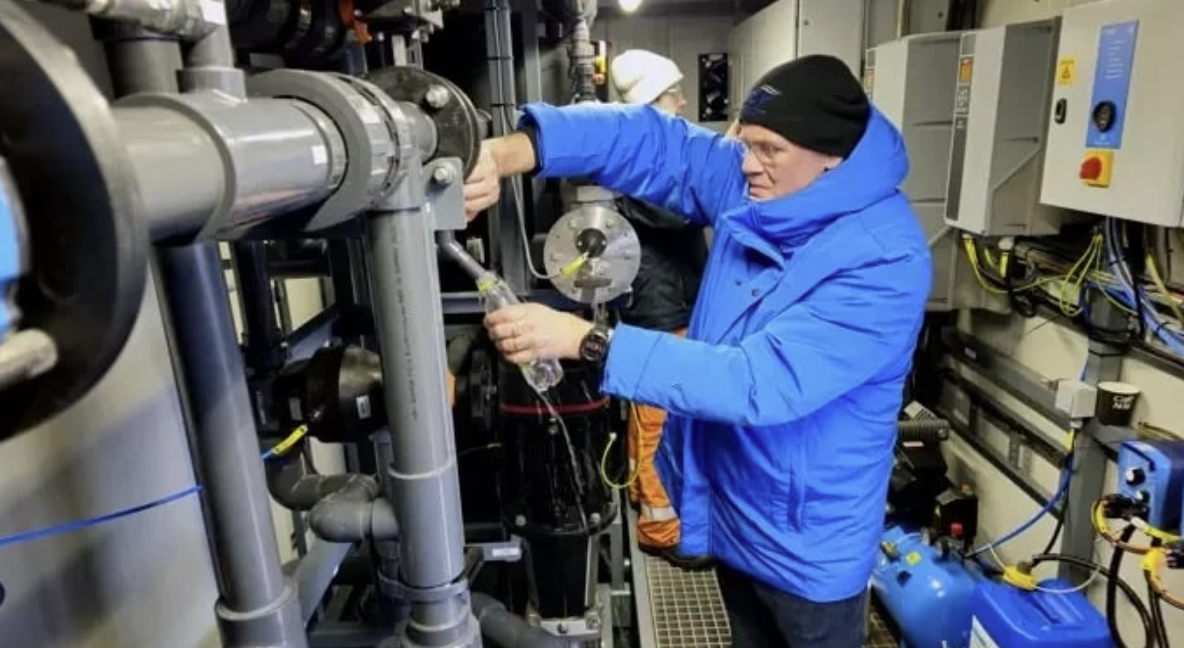
The project has now been completed and the main findings show that the brine can be used in pre-salting without compromising product quality, colour or pH. Processing trials showed comparable results in terms of salt content in the final product, with no negative effects on yield or utilisation. Overall, the use of this brine could significantly reduce salt imports for salted fish production, which could lead to a substantial reduction in the cost of producing salted fish. Furthermore, a life cycle assessment (LCA) showed that using the brine can significantly reduce the environmental impact of production compared to conventional brine produced from imported salt. It is also an interesting finding from the project that it is cheaper to produce fresh water in this way than to purchase it from the mainland via HS Veitur.
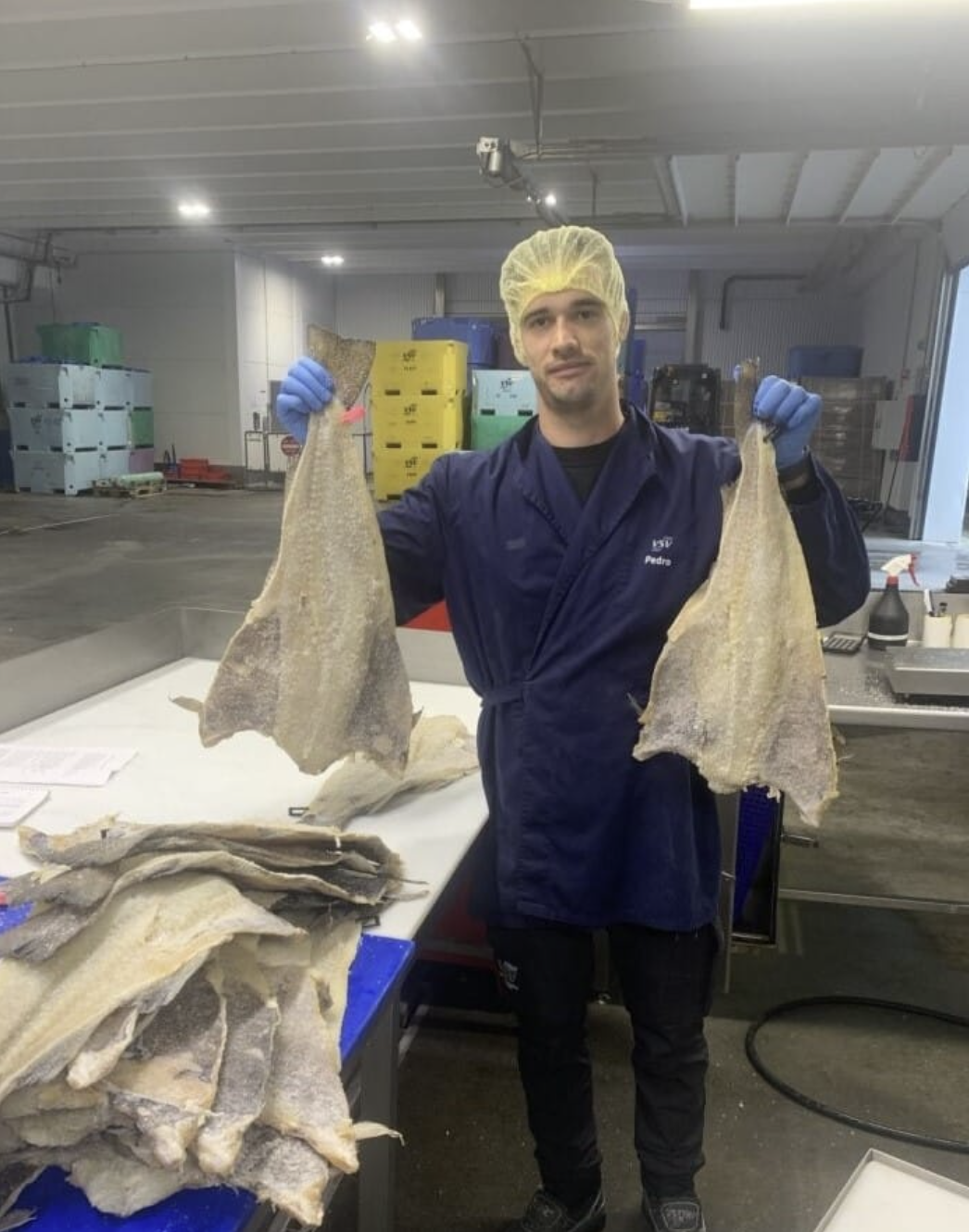
The project has demonstrated that the use of brine generated during water treatment is a technically viable, cost-effective and more sustainable option for salted fish production. Further information on the project can be found in the project's final report, which is available here., on the project website or at willum@vsv.is , cecilie@matis.is or jonas@matis.is